How it works
Three short parts a day,
with an end.
It starts with a few short checks. After that, every day brings three books, one writing task and one math session, and on Sunday you get a note.

The first days
Short checks, together
Your child taps pictures and reads a few words to you, so we know which sounds come next. The first time they open math, a short check finds where to start there too. You can stop and pick it up later.
- No score shown to your child
- “I haven’t learned this yet” is always a fine answer
- Each subject starts where your child is
Which one says /sh/?
Every morning
A plan with three parts
Three books matched to the sounds they know, one writing task at their stage, and one short math session. Family writes 15 new books a month for your family and Family Plus writes 25. The rest of the books come from our library of checked books.
- Every word matched to the sounds they’ve learned
- Writing notes from lines a person wrote
- Every math answer checked by our code
Today’s plan
- ReadThree books10 minDone
- 2WriteMake a sentence about the fox5 minNext
- 3MathAdding up to 108 minLater
Every Sunday
A note on all three subjects
What they read, wrote and worked out, which words were hard, and one thing to try this week. If you want it, their reading speed against the typical range for their grade.
- Reading days are counted, with no streaks to keep
- Words a minute vs typical ranges, labeled plainly
- One thing to try, with no guilt trip attached
Sunday · Maya’s week
Maya read 4 days this week and finished 5 books. The “ea” sound clicked on Wednesday. She wrote four sentences from tiles, and adding up to 10 is learned. This week, count the forks and spoons together at dinner.
How long each part
of the day takes
Math takes about 8 minutes for the youngest and 15 to 18 in Grades 3–8. When the plan is done, the app says so and offers rereads only.
- 01
Read
About 10 min · a new sound, then books built for it
- 02
Write
About 5 min · tiles, a paragraph or a short essay
- 03
Math
8 to 18 min · a warm-up, old skills, one new skill
- 04
All done
The garden grows. See you tomorrow.
Reading · every word checked
Your child can read every
word on this page.
Before a book goes out, our code checks every word against the sounds your child has learned. If a word doesn’t fit, the book doesn’t go out.
- Nobodyknown
- toldtaught first
- Noodlenew sound: oo
- theknown
- moonnew sound: oo
- wasknown
- ticklish.taught first
A sentence from Rabbit on the Moon, one of our sample books. “Told” and “ticklish” are taught first: a grown-up reads them with your child the first time.
Sprout · Pre-K and K
Picture books read aloud, one new sound at a time.
Sapling · Grades 1–2
Decodable books they read on their own.
Grove · Grades 3–5
Chapter books that teach new words in the story.
Summit · Grades 6–8
Novellas, articles and primary sources.
Writing · every piece their own
From a picture
to a short essay.
Each stage writes something real. Notes come from lines a person wrote, two at most, and nothing writes a sentence for your child.
Sprout · Pre-K and K
Draw a picture, label it, and tell a grown-up about it.
Sapling · Grades 1–2
Build sentences from word tiles and hear them read back.
Grove · Grades 3–5
Plan, write and fix a paragraph with a claim and reasons.
Summit · Grades 6–8
Short essays with a point, evidence and a counterpoint.
Math · every answer checked by code
One short math
session a day.
A short first check finds where to start. Each day: a quick warm-up, a few old skills, and one new skill shown step by step first.
Sprout · Pre-K and K
Counting, comparing and shapes. Tap each thing to count it.
Sapling · Grades 1–2
Adding, subtracting, and tens and ones, with counters to move.
Grove · Grades 3–5
Multiplying, fractions and area, with pictures to split.
Summit · Grades 6–8
Ratios, expressions and equations with a math keypad.
Before the shelf
Every book is checked first
AI writes and illustrates a draft. Our checker reads every word. A book that fails is rewritten or thrown out.
Book check
Pip and the Ship
- Can they read it?Every word uses sounds and heart words this child already knows92 of 92 words
- Right lengthSentences and pages fit the stage9 words a sentence
- Safe topicsStage rules, with no brands or personal detailsNo flags
- PicturesChecked before they’re drawn, and again after10 of 10 pass
- All thereTitle, pages, questions and answers, nothing missingComplete
An example report for one of our sample books.
The full list is on How TaleTykes uses AI. The rules every book follows are the content standards.
How a child moves up a stage
Reading moves up when the sounds for a stage are solid and reading speed is in the typical range for their grade. Writing follows the stage; math places your child on its own.
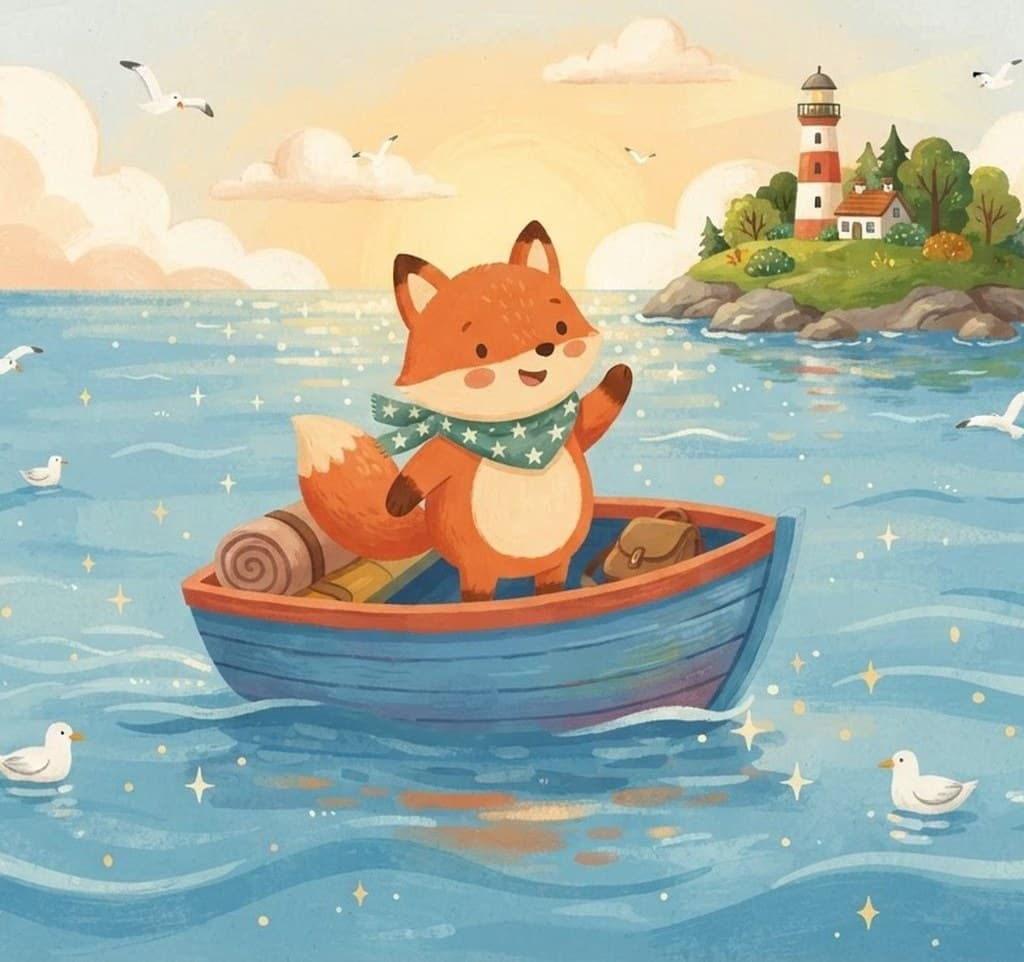
Pre-K and K
Sprout
- Read
- Picture books, one sound at a time
- Write
- Draw and tell
- Math
- Counting and shapes
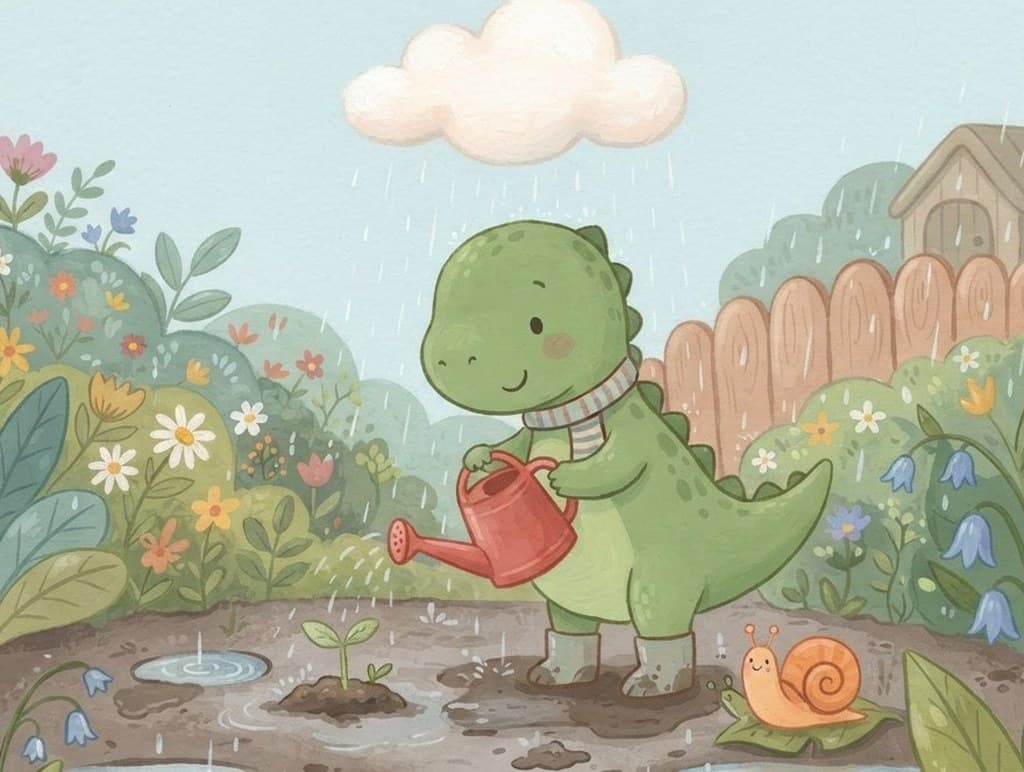
Grades 1–2
Sapling
- Read
- Decodable books on their own
- Write
- Sentences from word tiles
- Math
- Adding and tens and ones
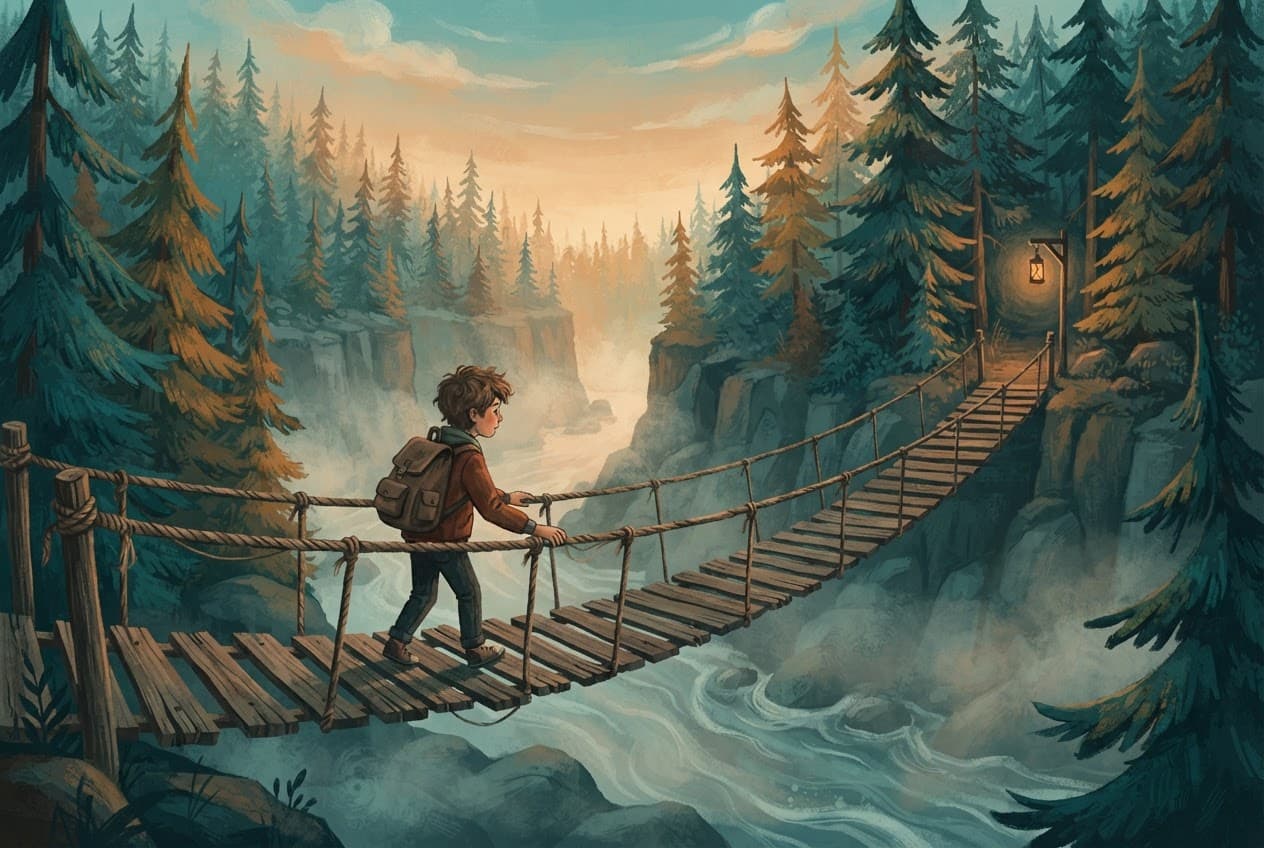
Grades 3–5
Grove
- Read
- Chapter books and nonfiction
- Write
- Opinion paragraphs
- Math
- Fractions, area, multiplying
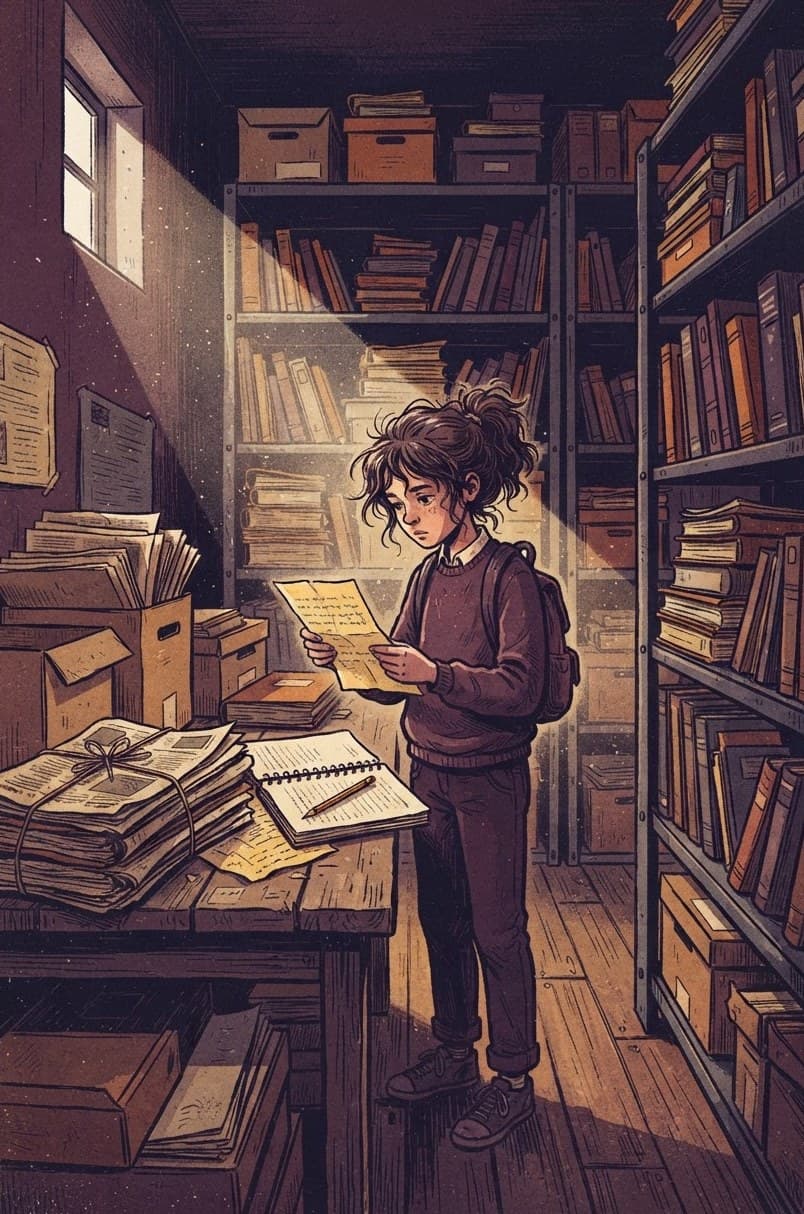
Grades 6–8
Summit
- Read
- Novellas and primary sources
- Write
- Essays with a counterpoint
- Math
- Ratios and equations
As a child moves up, books get longer, with fewer pictures and smaller type. Grove and Summit change what reading is for: books teach new words as the story goes, and the questions ask why and how you know.
Writing moves from tiles to paragraphs to short essays, and math from counting to equations. You can hold your child at a stage or move them up early from Controls.
Before you start
- What do I need?
- A phone, tablet or computer with a browser, and ten quiet minutes for the first check. The iPad app is best for Pre-K and K.
- What if my child is between stages?
- The check places your child by the sounds they know, not by their age or grade. You can keep them at a stage a little longer, or move them up early, from Controls.
- Can two kids share one account?
- Yes. Each child gets their own place in the sequence, their own shelf and their own sign-in picture. Siblings never see each other's books.
Your child’s first day, tomorrow morning.
7-day free trial with 3 books. Cancel anytime.
